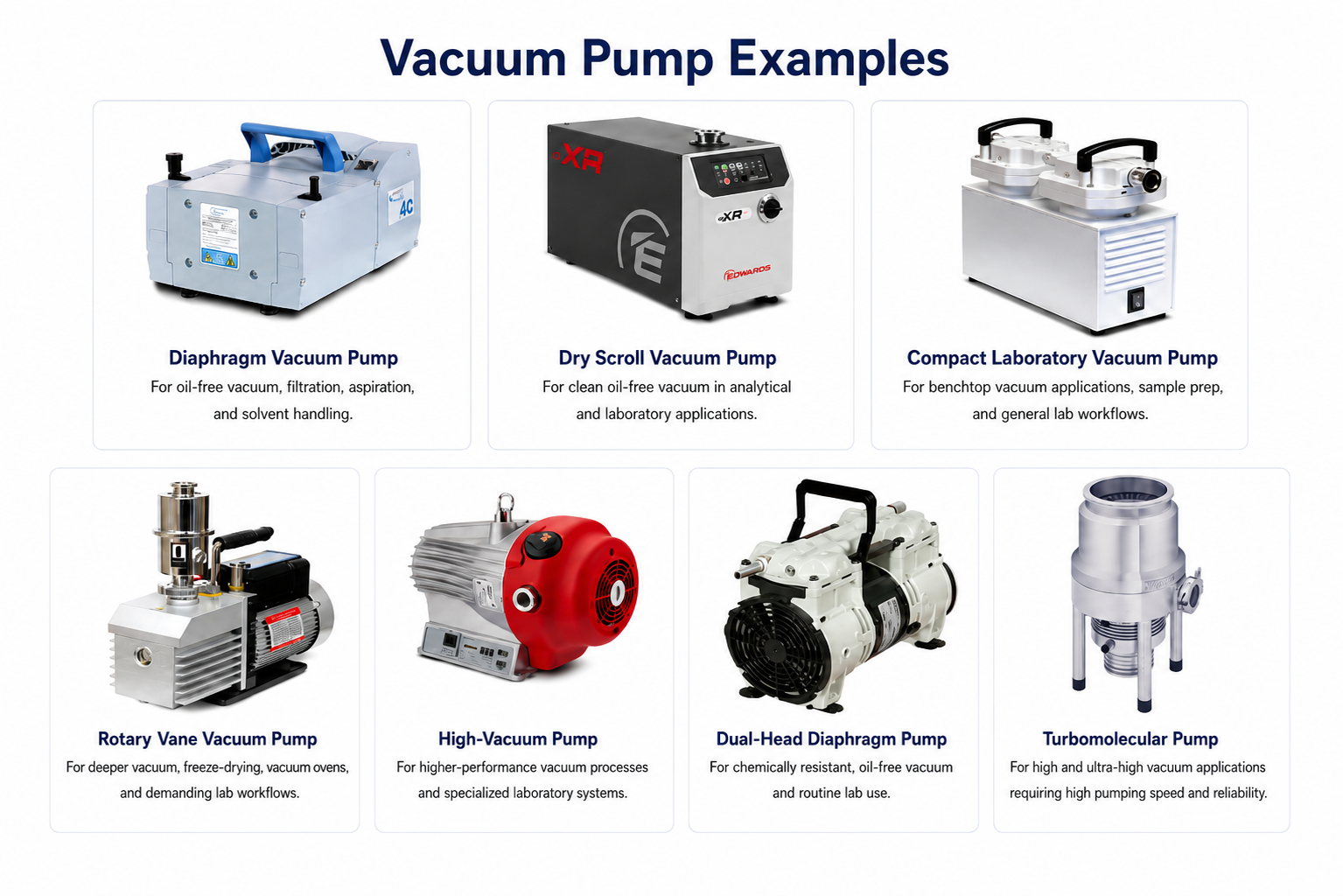

Exploring Biochar Production: The Role of Vacuum Ovens & Rotary Tube Furnaces
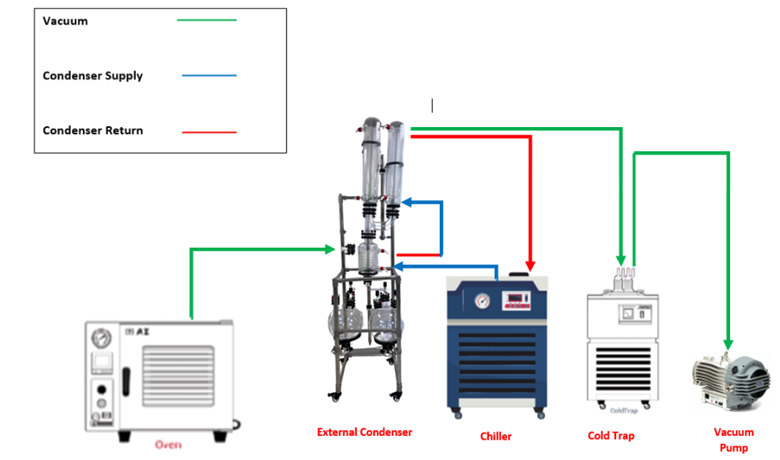
As we move towards sustainable energy solutions, biochar production through pyrolysis and torrefaction of biomass has gained significant traction. Central to this process are vacuum ovens and rotary tube furnaces, which help convert organic matter into valuable biochar. Here's a deeper dive into the technology and its applications.
Challenges in Biochar Production
Biomass processing faces several challenges:
-High Moisture Content: Leads to clumping and inefficient processing.
-Lignin and Resin Content: Causes tar accumulation, which can hinder furnace operations.
-Tube Size Requirements: Biomass often needs wider tubes than standard offerings.
-Atmospheric Control: Precise control is necessary for optimal results.
Advanced Solutions with Rotary Tube Furnaces
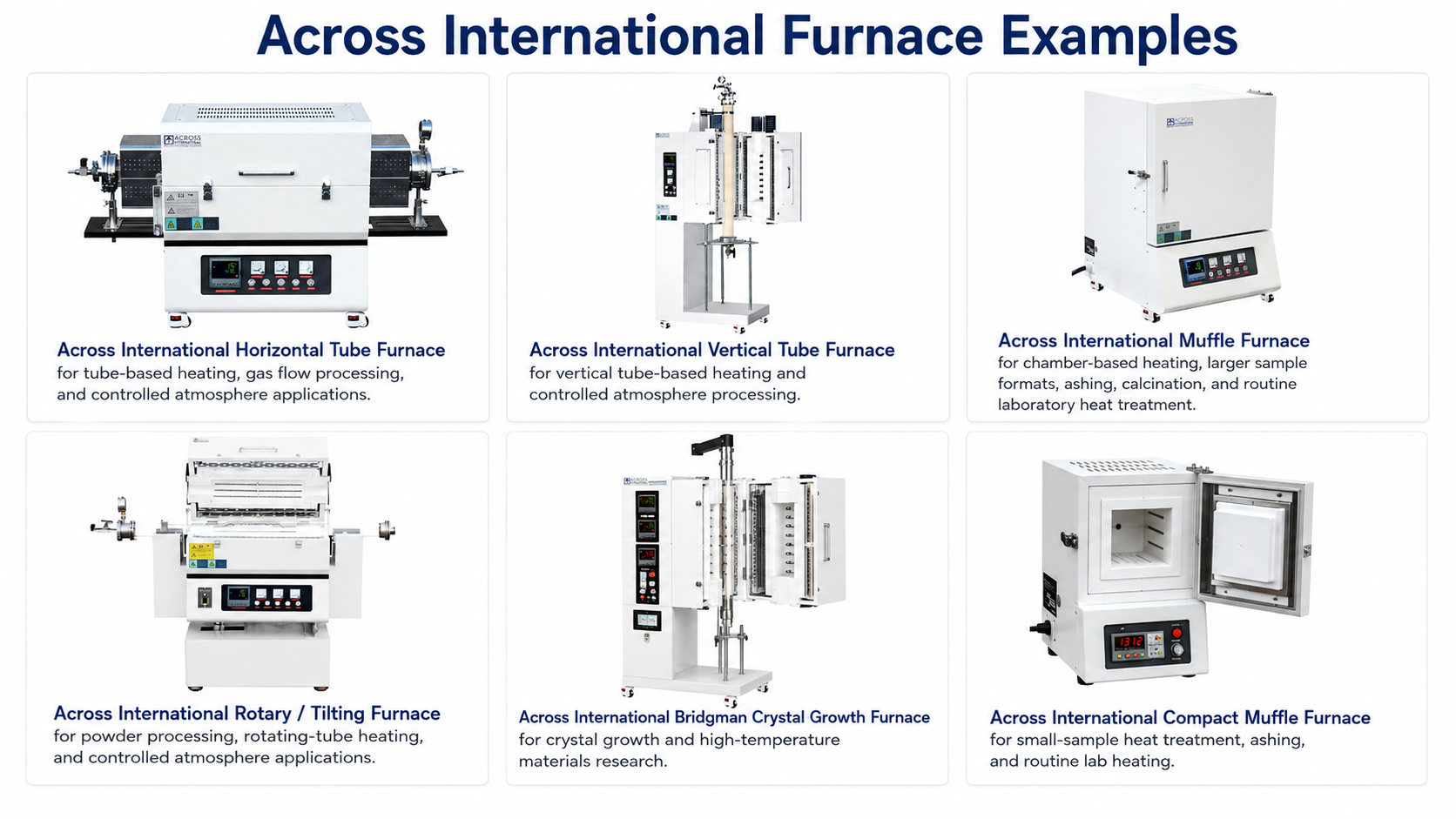
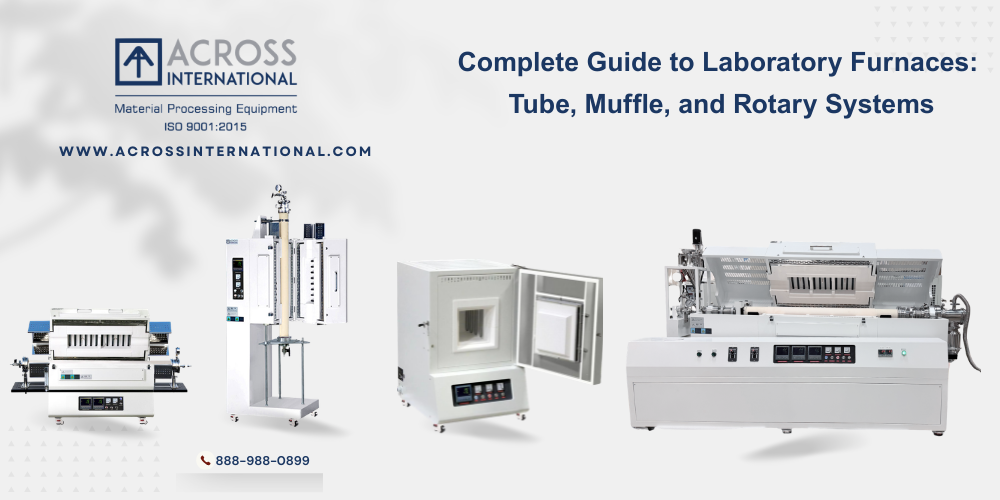
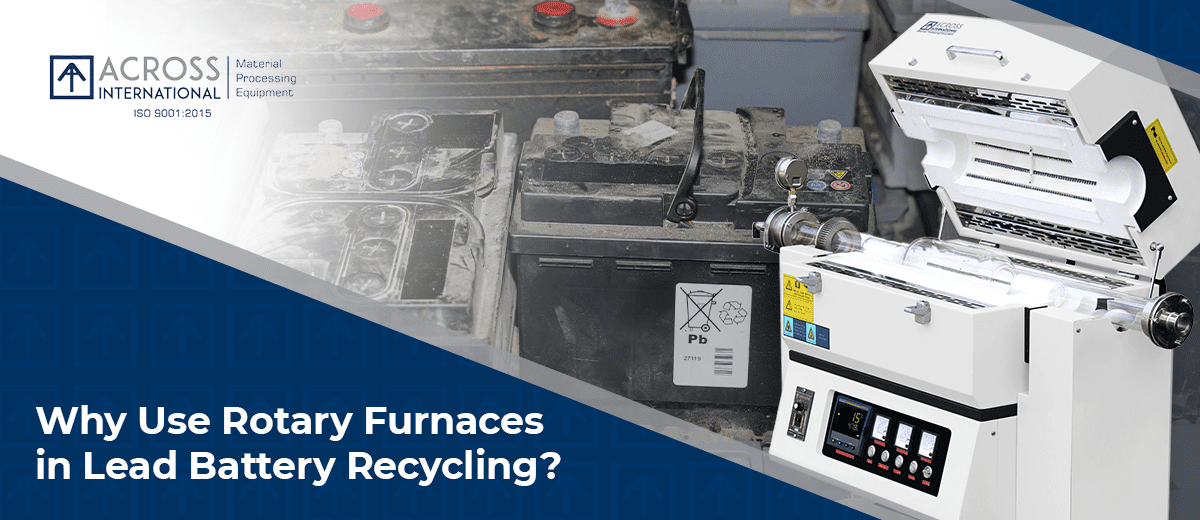
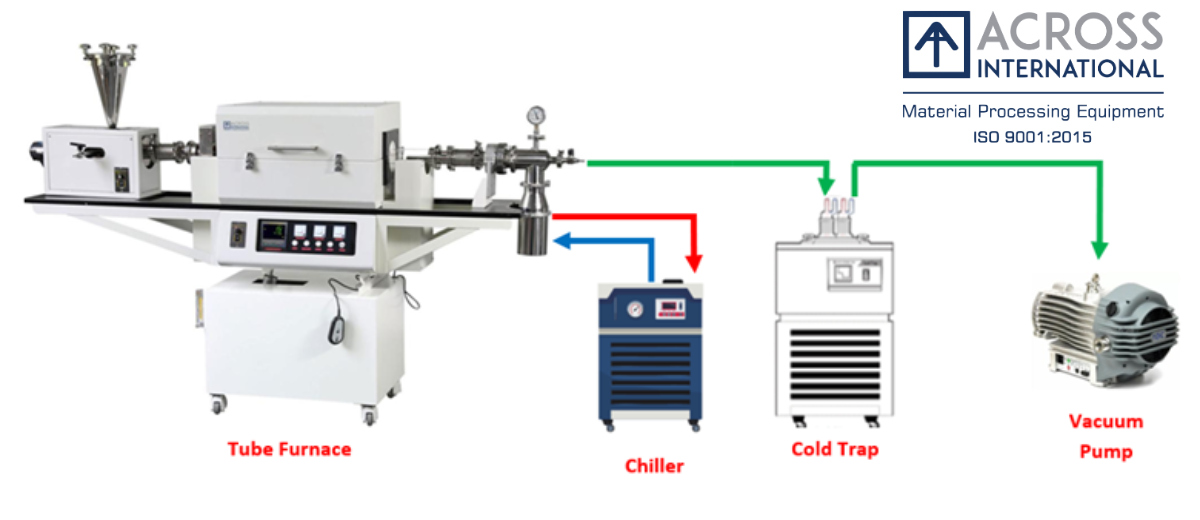
Across International's rotary tube furnaces are designed to address these challenges, providing a reliable solution for large-scale biochar production. These furnaces facilitate continuous feeding and precise thermal and atmospheric control, essential for efficient biomass pyrolysis and torrefaction.
Biomass Pyrolysis in Tube Furnaces
Pyrolysis involves heating biomass in the absence of oxygen at temperatures between 300°C and 800°C. This process breaks down the organic material into biochar, bio-oil, and syngas. The yield and quality of these products depend on the pyrolysis conditions:
-Slow Pyrolysis: Longer residence times and lower heating rates maximize biochar yield.
-Fast Pyrolysis: Rapid heating favors bio-oil production, with temperatures often exceeding 500°C.
In tube furnaces, biomass is heated evenly and efficiently. For example, a study demonstrated the use of a tube furnace to pyrolyze date seeds, coffee grounds, and cow manure, achieving significant biochar yields by optimizing the operating conditions.
Torrefaction: Enhancing Biomass for Fuel
Torrefaction, a mild form of pyrolysis, occurs at lower temperatures (200°C to 300°C) and helps in making biomass more suitable for fuel. This process enhances the energy density and stability of the biomass, making it more hydrophobic and resistant to degradation.
Real-World Applications of Biochar
The potential applications of biochar produced in rotary tube furnaces are vast:
-Soil Amendment: Biochar improves soil fertility and structure, enhancing water retention and nutrient availability.
-Pollution Mitigation: Used as an adsorbent, biochar helps in removing pollutants from water and soil.
-Energy Production: Syngas produced during pyrolysis can be used for power generation, while bio-oil can serve as a renewable fuel.
-Waste Management: Biochar production from urban waste, sewage sludge, and agricultural residues offers a sustainable solution to waste management challenges.
Optimizing Biochar Production
Key to optimizing biochar production are the operating parameters such as temperature, heating rate, and residence time. Studies have shown that by adjusting these parameters, the yield and quality of biochar can be significantly improved. For instance, slow pyrolysis at lower temperatures maximizes biochar yield, while fast pyrolysis at higher temperatures favors liquid bio-oil production.
Conclusion
As the demand for sustainable energy sources grows, biochar production through pyrolysis and torrefaction using vacuum ovens and rotary tube furnaces presents a viable solution. By addressing the inherent challenges of biomass processing and optimizing production parameters, we can harness the full potential of biomass, contributing to a cleaner, greener future. https://www.acrossinternational.com/shop-product-by-categories/lab-furnaces/rotary-furnaces.html
Consult an expert for assistance in equipment specification: 888-988-0899 Ext 2 or [email protected]